
جراحة المنظار
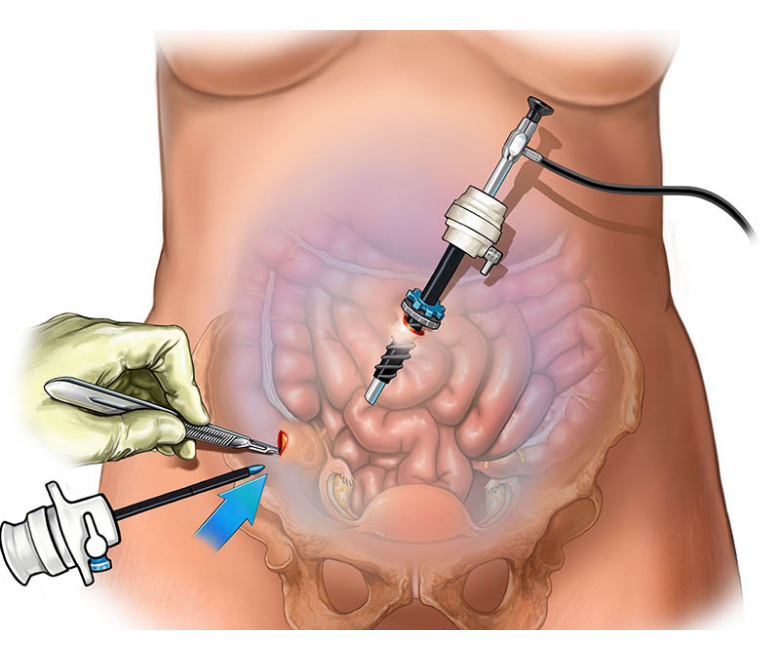
التنظير الرحم هو النظام الأكثر تنفيذًا لتشخيص وعلاج نزيف الرحم غير الطبيعي أو فترات ثقيلة بشكل غير طبيعي.يمكن أن تحدث هذه المشكلات عن طريق خلل هرموني أو نمو حميد مثل أورام الليفي أو الاورام الحميدة.يمكن استخدام تنظير الرحم لتشخيص وعلاج العقم الناجم عن الانسدادات أو الالتصاقات القريبة من فتحات أنابيب فالوب وكذلك اضطرابات أنبوب فالوب المختلفة ؛فترات مؤلمة بشكل غير طبيعي ؛نزيف ما بعد انقطاع الطمث.فترات غير منتظمة أو خفيفة بشكل غير عادي ؛شذوذ الرحم ، بما في ذلك الحاجز (جدار تقسيم أو قسم) ؛إجهاض متكرر.ألم الحوض.والقضاء على الأجهزة داخل الرحم (IUDS) يمكن أن يكون تنظير الرحم جزءًا من عملية التشخيص ، وكذلك عملية العلاج.
تنظير الرحم التشخيصي
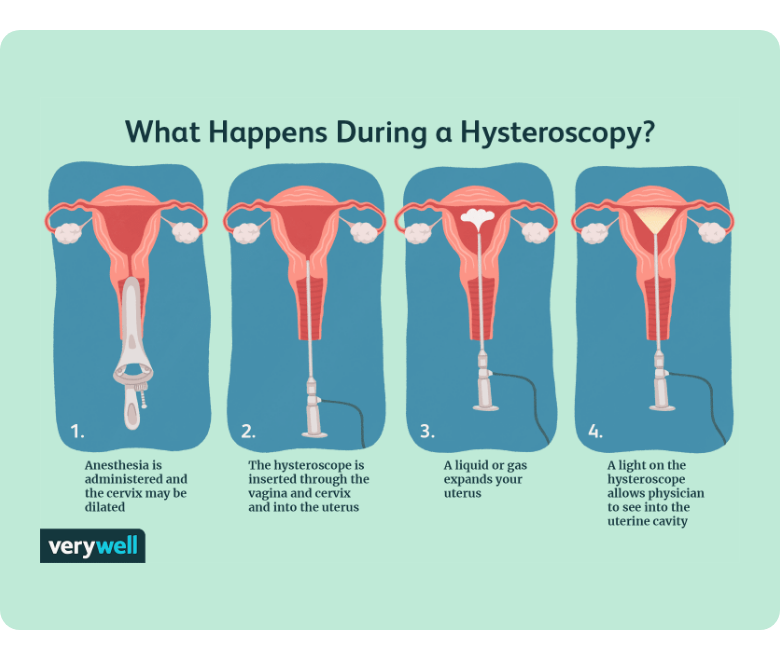
يحدد تنظير الرحم التشخيصي المخالفات الهيكلية في الرحم الذي قد يسبب نزيفًا غريبًا.
يمكن أيضًا استخدام تنظير الرحم لتأكيد تأثيرات الاختبارات الأخرى ، مثل التصوير بالموجات فوق الصوتية أو الرحم
(HSG).HSG هو فحص صبغة الأشعة السينية المستخدمة للتحقق مما إذا كانت أنابيب فالوب قد تم حظرها أم لا.محظور فالوب
أنابيب قد تجعل من الصعب أن تصبح حاملًا.
تنظير الرحم العلاجي
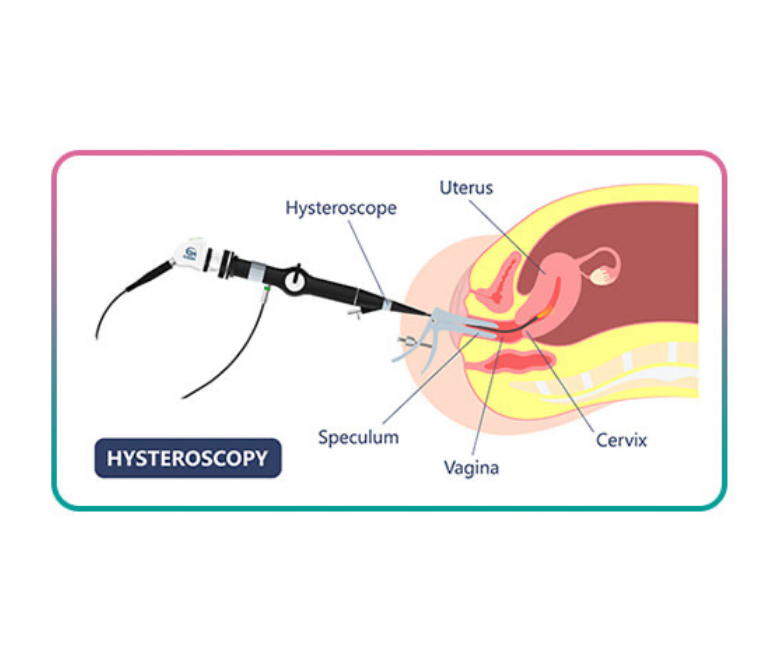
Therapeutic hysteroscopy treats an abnormality detected throughout a diagnostic hysteroscopy. Your provider can also perform a diagnostic and operative hysteroscopy at the equal time, avoiding the want for a second surgery. During operative hysteroscopy, your health care professional uses a system to remove abnormalities that may also be causing atypical uterine bleeding. Endometrial ablation is a procedure that treats unusual uterine bleeding. Your surgeon makes use of the hysteroscope to look internal your uterus before the use of a device to ruin your uterine lining. Hysteroscopy is principally used to identify and deal with conditions that reason abnormal uterine bleeding, heavy menstrual bleeding, irregular recognizing between periods and bleeding after menopause. Your health practitioner may function hysteroscopy to diagnose and correct the following uterine conditions: Polyps and fibroids: Hysteroscopy is used to locate and remove these uterine structural abnormalities. Surgical elimination of a polyp is called a hysteroscopy polypectomy. Surgical elimination of a fibroid is called a hysteroscopy myomectomy. Adhesions: Also recognized as Asherman’s syndrome, uterine adhesions are bands of scar tissue that can form in your uterus and can also lead to changes in menstrual waft and cause infertility. Hysteroscopy can assist your doctor discover and remove the adhesions. Septums: Hysteroscopy can assist determine whether or not you have a uterine septum, a malformation (defect) of the uterus that’s present from birth. Your physician will review your scientific history and consider your current fitness to determine whether or not a hysteroscopy is appropriate. Although there are many benefits related with hysteroscopy, it’s not proper for everyone. For example, you shouldn’t have a hysteroscopy if: You’re pregnant. You have a pelvic infection. If your periods are regular, your surgeon will likely recommend scheduling your hysteroscopy for the first week after you stop bleeding. This timing will allow the best view of the inside of your uterus. If you have irregular menstrual cycles, you may need to work with your surgeon to find the best time for your hysteroscopy. The procedure can take place at any time if you’ve gone through menopause. Hysteroscopy is considered a safe procedure. As with any surgery, complications can occur. With hysteroscopy, complications occur in less than 1% of cases and can include: Infection. Heavy bleeding. Intrauterine scarring. Reaction to the anesthesia. Injury to your cervix, uterus, bowel or bladder. Reaction to the substance used to expand your uterus